
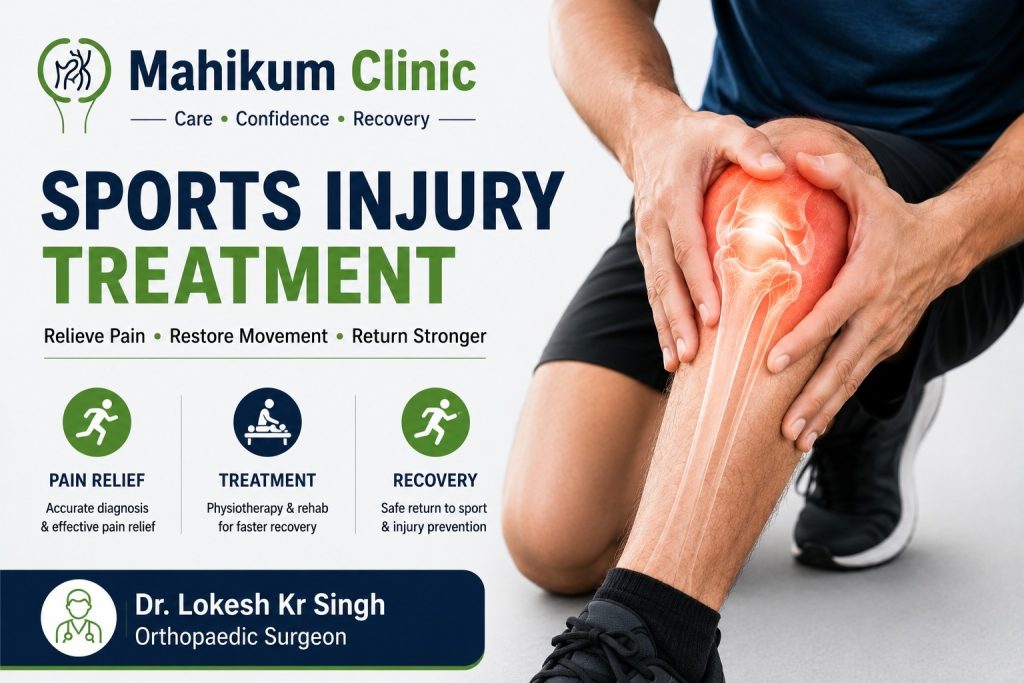
Sports injuries are common among athletes and fitness enthusiasts, often resulting from overuse, improper technique, or sudden trauma. Whether you are a professional player or someone who enjoys weekend games, timely intervention by an orthopaedic doctor in Bisrakh or the best orthopaedic doctor in Noida Extension can make a significant difference in recovery and long-term joint health. Dr. Lokesh Kr Singh specializes in providing expert care for such conditions, helping patients return to their active lifestyles safely.
Understanding Common Causes of Sports Injuries
Sports injuries occur due to various factors that stress the musculoskeletal system beyond its capacity.
Overuse and Repetitive Stress
Many injuries develop gradually from repeated motions without adequate rest. Conditions like runner’s knee, tennis elbow, and shin splints fall into this category. Insufficient warm-up, poor training techniques, and sudden increases in activity intensity often contribute to these issues.
Traumatic Incidents
Acute injuries happen suddenly, such as:
- Sprains and strains from twisting or impact
- Fractures caused by direct blows or falls
- Dislocations, especially in contact sports like football or wrestling
Other Contributing Factors
- Inadequate equipment or improper footwear
- Poor conditioning and muscle imbalances
- Environmental conditions like slippery surfaces
Recognizing Symptoms of Sports Injuries
Early identification of symptoms helps prevent minor issues from becoming chronic problems.
Immediate Signs After Injury
- Sharp pain at the time of impact
- Swelling and bruising
- Inability to bear weight or move the affected area
- Visible deformity in severe cases
Lingering or Gradual Symptoms
- Persistent stiffness or reduced range of motion
- Weakness in the affected limb
- Clicking or popping sensations during movement
- Chronic pain that worsens with activity
If you experience any of these, consulting an experienced specialist is crucial for accurate diagnosis through physical examination and imaging if needed.
Types of Common Sports Injuries
Soft Tissue Injuries
- Sprains: Stretching or tearing of ligaments
- Strains: Damage to muscles or tendons
- Tendonitis: Inflammation of tendons from overuse
Bone and Joint Injuries
- Fractures (stress or acute)
- Dislocations
- Meniscus tears in the knee
Overuse Injuries
- Shin splints
- Achilles tendinopathy
- Rotator cuff injuries in the shoulder
Diagnosis and Treatment Approaches
Effective treatment begins with proper diagnosis. Modern orthopaedic evaluation often includes detailed history, clinical tests, X-rays, MRI, or ultrasound.
Initial Management (RICE Protocol)
- Rest: Avoid activities that cause pain
- Ice: Apply for 15-20 minutes to reduce swelling
- Compression: Use bandages to minimize swelling
- Elevation: Keep the injured area raised
Advanced Treatment Options
Depending on severity, treatment may involve:
- Physiotherapy and rehabilitation exercises
- Bracing or supportive taping
- Medications for pain and inflammation
- Minimally invasive procedures when conservative methods are insufficient
Recovery Guide: Steps to Safe Return to Sports
Recovery is a gradual process that requires patience and professional guidance.
Phase 1: Protection and Pain Control
Focus on reducing inflammation and protecting the injured tissue. This phase may last a few days to a week.
Phase 2: Restoration of Mobility and Strength
Introduce gentle exercises to regain range of motion and rebuild muscle strength under expert supervision.
Phase 3: Functional Training
Sport-specific drills and proprioception exercises help restore coordination and balance.
Phase 4: Return to Play
Gradual return to full activity with monitoring to prevent re-injury. Full recovery timelines vary from weeks to months depending on injury type and individual factors.
Key recovery tips include maintaining proper nutrition, staying hydrated, getting adequate sleep, and following a personalized rehabilitation plan.
Prevention Strategies for Future Injuries
- Warm up properly before every session
- Use correct technique and equipment
- Incorporate strength and flexibility training
- Listen to your body and avoid overtraining
- Maintain good overall fitness and body mechanics
Conclusion
Dr. Lokesh Kr Singh emphasizes personalized care and evidence-based treatments to ensure optimal outcomes for every patient. If you are seeking an orthopaedic doctor in Bisrakh or the best orthopaedic doctor in Noida Extension, his expertise in sports injury management can help you recover effectively and prevent future complications. Prioritize your musculoskeletal health and consult a specialist at the first sign of persistent pain or discomfort for the best possible recovery.
The most common sports injuries include sprains, strains, meniscus tears, rotator cuff injuries, shin splints, and fractures. These can result from sudden trauma or repetitive stress during sports activities.
You should see an orthopaedic doctor in Bisrakh if you have severe pain, swelling that doesn’t reduce within 48 hours, inability to bear weight, joint instability, or if symptoms persist beyond a few days.
Recovery time varies depending on the type and severity of the injury. Minor sprains may heal in 2–4 weeks, while ligament tears or fractures can take 6–12 weeks or longer with proper rehabilitation under the guidance of the best orthopaedic doctor in Noida Extension.
Yes, most sports injuries are preventable. Proper warm-up, correct technique, strength training, using appropriate equipment, and avoiding overtraining significantly reduce the risk of injury.
The best treatment starts with the RICE method (Rest, Ice, Compression, Elevation) followed by personalized physiotherapy. In some cases, advanced care from an experienced orthopaedic specialist like Dr. Lokesh Kr Singh may be required for faster and complete recovery.